


Introduction
- • A 5% boost in SaaS customer retention can push revenue up by 25–95% , it easily outdoes what new acquisition teams try to pull off.
- • Retention playbooks tend to revolve around getting genuine “aha” moments, using personalization ,and giving a smooth self service experience.
- Small companies SaaS Retention Marketing Strategies can lean on data led retention plus community building to expand, without burning extra budgets in marketing.
Why Retention Beats Acquisition in SaaS
Keeping users is typically cheaper, faster, and more profitable than chasing new sign ups. When you go after a fresh customer it can run about 6–7× more than retaining the ones you already have. Meanwhile, retained customers often increase their spend over time. For smaller SaaS providers, that means putting effort into your active user base can create bigger revenue growth, without matching marketing spend line for line.
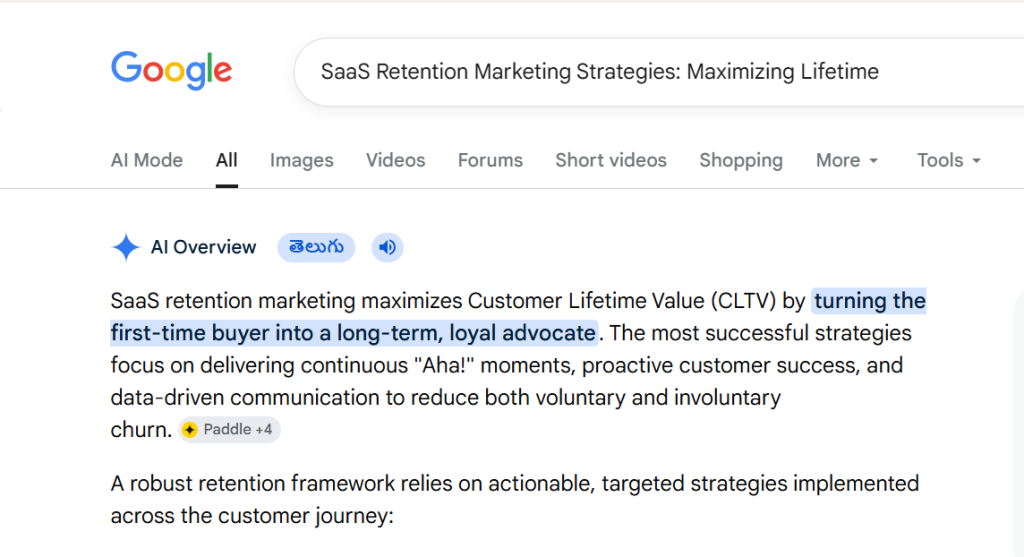
Example:
- A mid-sized CRM SaaS that bumped retention by 5% and then saw its subscription revenue jump by 40% in one quarter, even while taking zero new customers.
Summary: Prioritizing retention boosts ROI and lays down a reliable revenue base.
How Do You Define What Counts as an Effective SaaS Retention Rate?
Retention rate is the percentage of customers who remain in place across a time window. The method is simple:
- [Retention\ Rate = \frac{Customers\ at\ End\ of\ Period – New\ Customers}{Customers\ at\ Start} × 100]
For SaaS companies, a retention rate above 80% is usually seen as healthy. Yet figures by themselves do not tell the whole story. Strong retention ties together KPIs with more human signals , like customer satisfaction, the way people actually use the product, and engagement patterns.
Summary: Retention rate isn’t only a number; it shows how sticky your product feels and how the customer experience lands in real life.
What Are the Most Powerful SaaS Retention Tactics?
Retention tactics go farther than discounts or tiny rewards. They ask for ongoing value creation at each touchpoint.
Key Tactics:
- Deliver “Aha” moments fast – Make sure new users hit the core value right in their first session, no long detours.
- Personalize user journeys – Use data to adjust onboarding, messaging, and expansion offers.
- Simplify self service – Offer a knowledge base, chatbots, and in product guidance so people don’t feel stuck.
- Build community – Push forums, webinars, and peer engagement so users learn from each other.
- Run constant feedback loops – Gather input, examine patterns, and then actually apply changes based on what users say.
Case Study: Intercom used in app messaging to nudge users toward key features. Their churn fell by 15% within 6 months, mostly because onboarding felt more proactive for the right people.
Summary: Retention is this proactive, data driven thing, where tiny tweaks end up doing a lot of work later.
Should Small Businesses Invest in Upsells or Feature Expansion?
Yes, but only contextually. Upselling works when the client is already feeling the value, if you push too many additions too fast, you might overtax their attention and you risk turning them off.
Comparison Table: Upsells vs Feature Expansion for SaaS Retention
| Strategy | Cost Impact | Engagement Effect | Risk Level | Best For |
|---|---|---|---|---|
| Upsells (paid add-ons) | Medium | High | Medium | Established users |
| Feature Expansion | High | Medium | High | Power users only |
| Bundled Services | Low | Medium | Low | Small businesses |
| Gamified Rewards | Low | High | Low | New users |
| Loyalty Programs | Medium | Medium | Low | All customer tiers |
Takeaway: For small businesses, upsells that are tied to context can improve retention, without creating churn pressure.
How can SaaS companies personalize retention at scale?
First, split users into groups by behavior, usage rhythms, and how frequently they engage. You can set up automated triggers, like little reminder pings for inactive folks or milestone emails that feel timed to the moment. This way the communication stays relevant, even when you are not manually watching everything.
Step-by-Step:
- Track what features get used and how often someone logs in.
- Put people into behavior-based cohorts, based on those patterns.
- Build automated messages that are personalized for each cohort.
- Test what works and what does not, through A/B experiments, then refine.
Summary: Personalization changes generic retention tactics into interactions that feel meaningful, so they tend to actually stick.
What retention mistakes should SaaS marketers avoid?
A lot of marketers put too much effort into acquisition, they then skip onboarding, or they do not respond when churn signals show up. If you miss the first “aha” moment, or you do not loop feedback back into the product, retention can quietly decline over time.
Counter-Argument: Even if growth hacking new users looks tempting, building retention typically delivers a steadier long term revenue stream, and that is often more reliable.
Summary: Retention slip-ups are costly, small, sneaky, and preventable with a disciplined approach.
Conclusion
SaaS retention is not about reactive help. It’s more proactive, engagement first really. If teams build early “aha” moments, they can guide users faster, plus personalize the experience so it feels less generic. Also, feedback becomes a tool not a chore, and when upselling is done with intention it does not feel like a sudden pivot. For small businesses, that means revenue growth that stays steady while a loyal user base is nurtured. Retention plans are not optional anymore, they are basically the backbone for SaaS growth.