

A stunning fact: 71 percent of online buyers fully define their desires prior to even speaking to a salesperson. That undoes the regular straight-funnel model. If you are building a SaaS product, your marketing is not just supporting sales. It is the product’s first experience. This is why mastering a SaaS digital marketing beginners guide approach is essential for modern software growth.
Here is where a solid b2b SaaS marketing strategy can make all the difference between slow growth and compounding revenue.
Key Takeaway
- SaaS marketing is not about traffic. It is about predictable revenue loops driven by retention.
- A strong b2b saas marketing strategy focuses on lifecycle, not just acquisition.
- Small teams win by specializing in one or two high-leverage channels.
What is SaaS digital marketing and how is it different?
SaaS digital marketing is the process by which SaaS software acquires, converts and maintains users, typically through online channels. The greatest distinction between the two is that with SaaS success, retention gets to be as critical as acquisition.
Traditional marketing ends at the sale. SaaS marketing starts at the sale.
You are not selling something you see as a one-time deal. You sell an ongoing experience. This detail changes messaging and channel selection.
For the ecommerce brand, the headliner might be: Great Convesion Rate. The SaaS company headliner may read, :Optimization for activation, usage and renewal.
For startup businesses, this means you cannot afford vanity metrics. Every campaign must tie back to usage or revenue.
Overall, SaaS marketing is one that aims to be lifecycle-centered and not campaign-focused.
Why does a B2B SaaS marketing strategy need a different approach?
The marketing strategy for B2B SaaS businesses must necessarily be congruent with a longer sales cycle, multiple decision-makers, and a high trust requirement. Modern research on B2B buying journey reveals that a whopping 75% of buyers now prefer the “rep-free” sales experience relying on digital self-service and independent research methods.
Decisions in the B2B SaaS space are slow but sticky. As soon as one company uses your tool, the switching costs go way up.
And this is one reason that depth of content and credibility are more important than reach.
This is the main thing that most start-up guides miss. The constraint is not traffic, but, rather… focus.
- Your audience is asking
- Will this solve my problem
- Will it integrate with my stack
- Will my team adopt it
If your messaging does not answer these, no amount of paid ads will help.
Summary: B2B SaaS marketing wins by reducing decision friction.
What are the core components of a B2B SaaS marketing strategy?
Four key components of a successful B2B SaaS marketing strategy are acquisition, activation, retention, and expansion.
Core SaaS Growth Model
| Stage | What It Means | Key Metric | Example |
| Acquisition | Getting users | CAC | SEO, ads |
| Activation | First value moment | Activation rate | Onboarding flow |
| Retention | Keeping users | Churn rate | Email, support |
| Expansion | Growing revenue | ARPU | Upsells |
Takeaway: SaaS growth is a loop, not a funnel.
Which channels actually work for SaaS growth?
The best channels for SaaS are those that compound over time.
| Channel | Time to Results | Cost | Scalability | Best Use Case |
| SEO and Content | Slow | Low | High | Long-term growth |
| Paid Ads | Fast | High | Medium | Testing messaging |
| LinkedIn Outreach | Medium | Medium | Low | Early B2B |
| Product-Led Growth | Medium | Medium | Very High | Freemium SaaS |
| Email Marketing | Fast | Low | High | Retention |
Takeaway: Use paid channels for learning and organic channels for scaling.
How do you build a B2B SaaS marketing strategy step by step?
Start with positioning, not channels.
Step-by-step process
- Define your ideal customer profile
- Clarify your value proposition
- Map the customer journey
- Choose 1 to 2 channels
- Build landing pages and demos
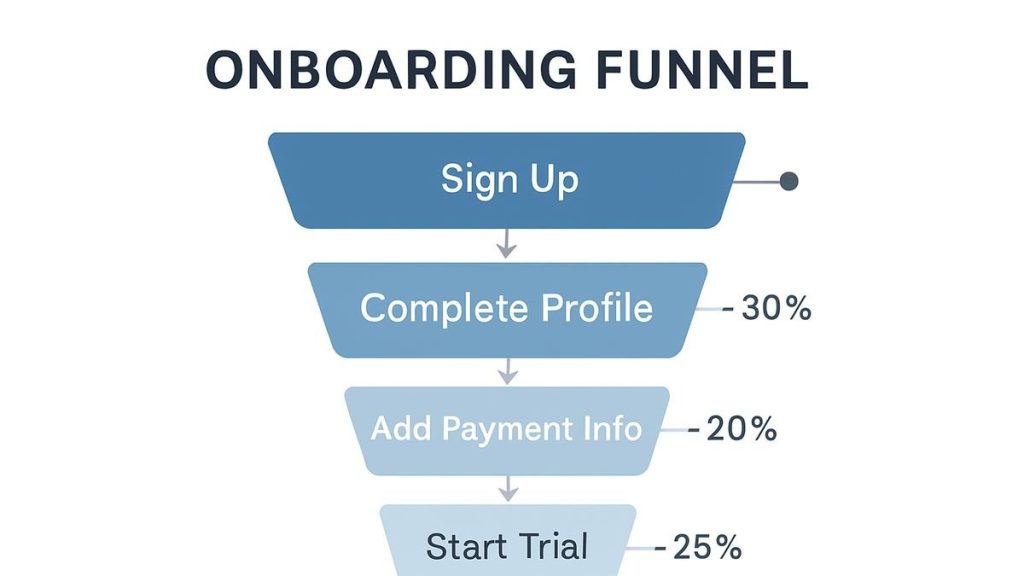
- Optimize onboarding
- Track CAC, LTV, activation
Real-world example: How a small SaaS reduced CAC by 40 percent
A niche CRM SaaS targeting agencies was struggling with high ad costs.
Instead of scaling ads, they:
- Rewrote homepage messaging to focus on integrations
- Added case studies with real ROI numbers
- Improved onboarding with guided setup
Result:
- Conversion rate increased from 2.1 percent to 3.8 percent
- CAC dropped by 40 percent
- Retention improved within 3 months
This was not a channel problem. It was a clarity problem.
What mistakes do most SaaS companies make?
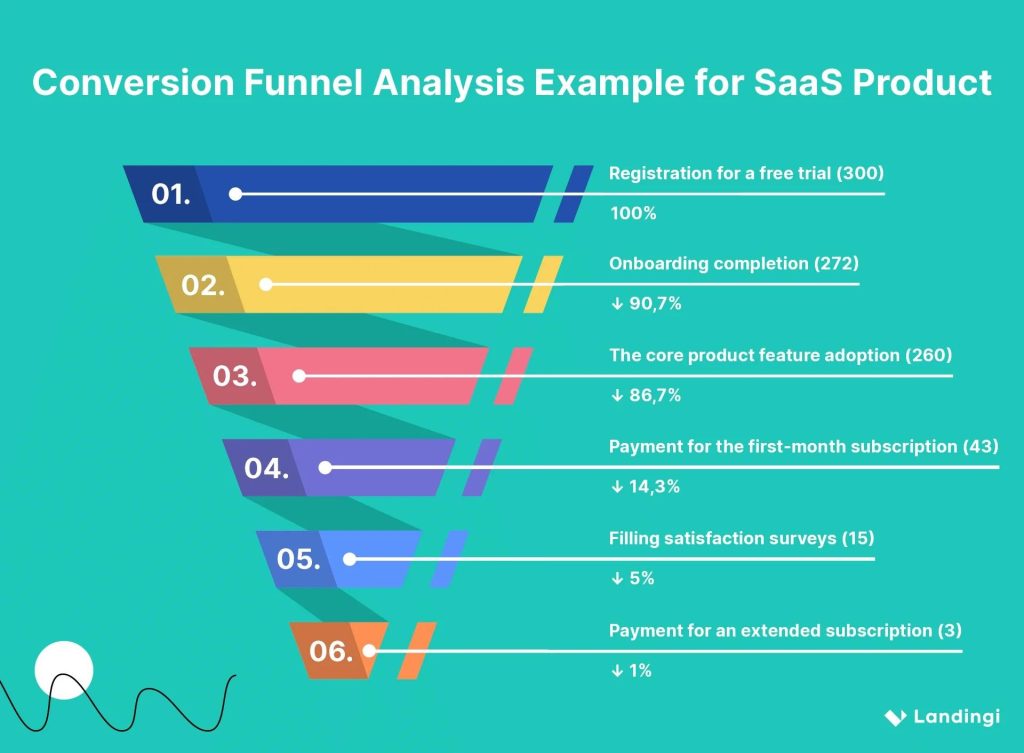
Most SaaS companies over-invest in acquisition and ignore retention.
Common mistakes:
- Chasing traffic instead of intent
- Ignoring onboarding
- Measuring leads instead of revenue
- Scaling before product-market fit
The hidden truth
Your biggest growth lever is often inside your product.
Slack grew through product experience, not aggressive ads.
Summary: Growth problems are often product problems.
Final thoughts: what this means for small SaaS teams
If you are a small team, your advantage is focus.
You do not need a complex b2b saas marketing strategy. You need a clear one.
- Pick a narrow audience
- Solve a painful problem
- Communicate clearly
- Focus on one channel
- Optimize onboarding
When startup SaaS companies fail, a disconnection among the product, messaging, and audience takes the blame for it.
If you can get the congruence right here, you will be able to order growth almost on a tick.
Take away: A good SaaS marketing strategy is consistent user-base-to-customer conversion.